
July-August (Shukla Paksha Panchami of Shravana)
Nag Panchami
Nag Panchami is the festival honoring snakes (Nagas) — sacred beings in Hindu mythology associated with Lord Shiva, Lord Vishnu, and the earth's fertility.
Why it matters
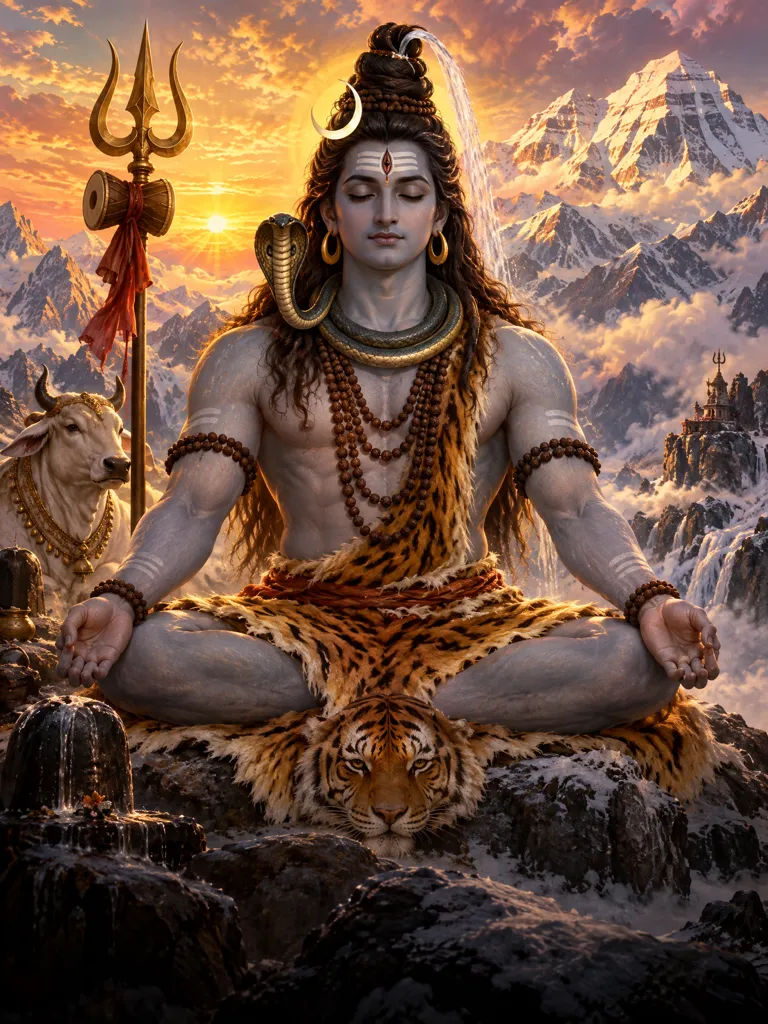
Snakes hold deep spiritual significance in Sanatan Dharma. Shesha Naga is the cosmic serpent on whom Lord Vishnu rests. Vasuki adorns Lord Shiva's neck. Nag Panchami seeks their blessings and protection.
Katha
The story behind it
According to the Bhavishya Purana, when a farmer accidentally killed some baby snakes while plowing, the mother serpent sought revenge but was appeased by the farmer's daughter's devotion. Another tradition links it to Krishna defeating the serpent Kaliya in the Yamuna river.
Celebrate
Rituals & traditions
How it's observed
Snake images are drawn on walls or made from clay and worshipped with milk, flowers, and turmeric. Live snakes are not fed or disturbed. Farmers avoid plowing fields on this day. Prayers are offered for protection from snake bites.
Traditional foods
Milk-based preparations, no use of cutting or frying on this day in many traditions
Regional traditions
In Maharashtra, Nag Panchami wrestling (kushti) tournaments are traditional. In South India, ant-hill worship (as snake abodes) is common. In Kerala, Mannarasala and other serpent temples see special rituals.
Where to experience it
Mannarasala Sree Nagaraja Temple (Kerala). Nag Vasuki Temple (Allahabad). Battis Shirala (Maharashtra) for live cobra worship.
Associated mantras
Sarpa Devata Namastubhyam
Plan your Nag Panchami with Debi
Puja steps, muhurat questions, stories for children: just ask.
Ask Debi about Nag Panchami