
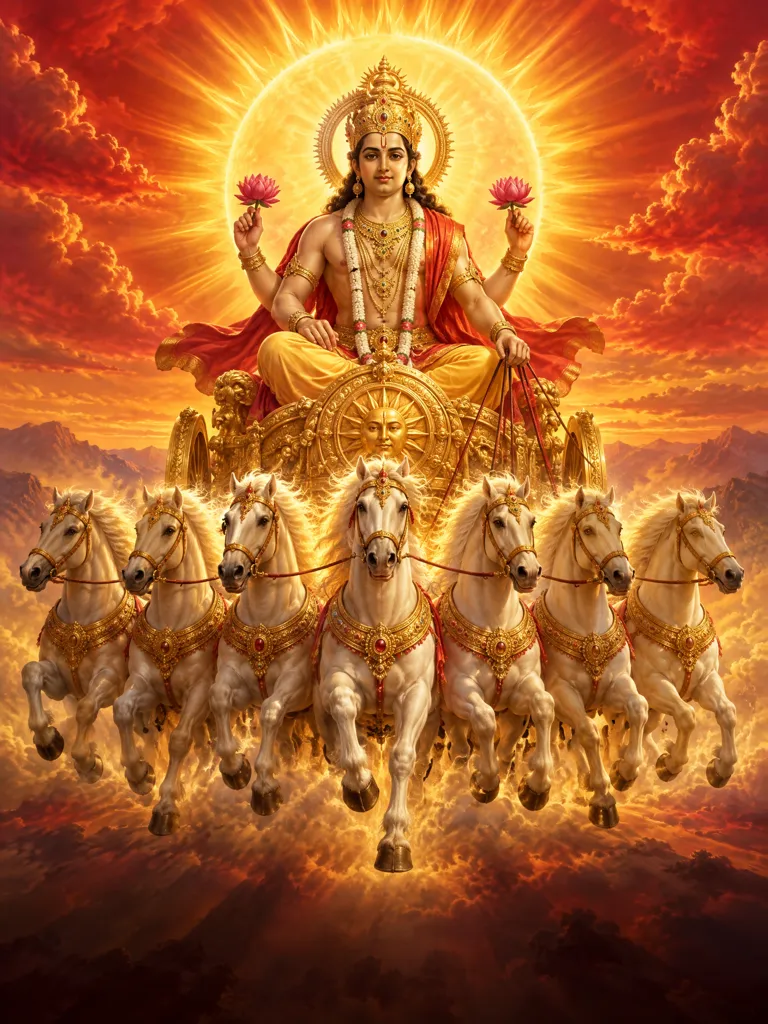
January 14-15 (Sun's transit into Capricorn/Makara)
Makar Sankranti
Makar Sankranti marks the sun's transit into Capricorn (Makara rashi), signaling the end of winter solstice and the beginning of longer days. It is one of the few Hindu festivals based on the solar calendar.
Why it matters
The northward journey of the sun (Uttarayana) is considered highly auspicious. The Bhishma Pitamaha of the Mahabharata waited for this period to leave his body. It symbolizes moving from darkness to light.
Katha
The story behind it
According to tradition, the Uttarayana period that begins with Makar Sankranti is the day of the gods. Bhishma, lying on a bed of arrows after the Kurukshetra war, chose to die during Uttarayana to ensure his soul's liberation.
Celebrate
Rituals & traditions
How it's observed
Flying kites, taking holy dips in rivers, offering til-gul (sesame-jaggery) to others with the phrase "Til-gul ghya, god god bola" (accept this sweet and speak sweet words). Bonfires, charity, and community feasts.
Traditional foods
Til-gul laddu (sesame-jaggery sweets), chikki, pongal (rice dish), undhiyu (Gujarati mixed vegetable dish), khichdi
Regional traditions
Tamil Nadu: Pongal (4-day harvest festival). Gujarat: Uttarayan kite festival. Punjab: Lohri (bonfire festival). Assam: Bhogali Bihu. Karnataka: Suggi festival.
Where to experience it
Ahmedabad and Jaipur for international kite festivals. Prayagraj (Allahabad) for the sacred Sangam dip. Hampi (Karnataka) for traditional celebrations.
Associated mantras
Om Suryaya Namaha
Plan your Makar Sankranti with Debi
Puja steps, muhurat questions, stories for children: just ask.
Ask Debi about Makar Sankranti