
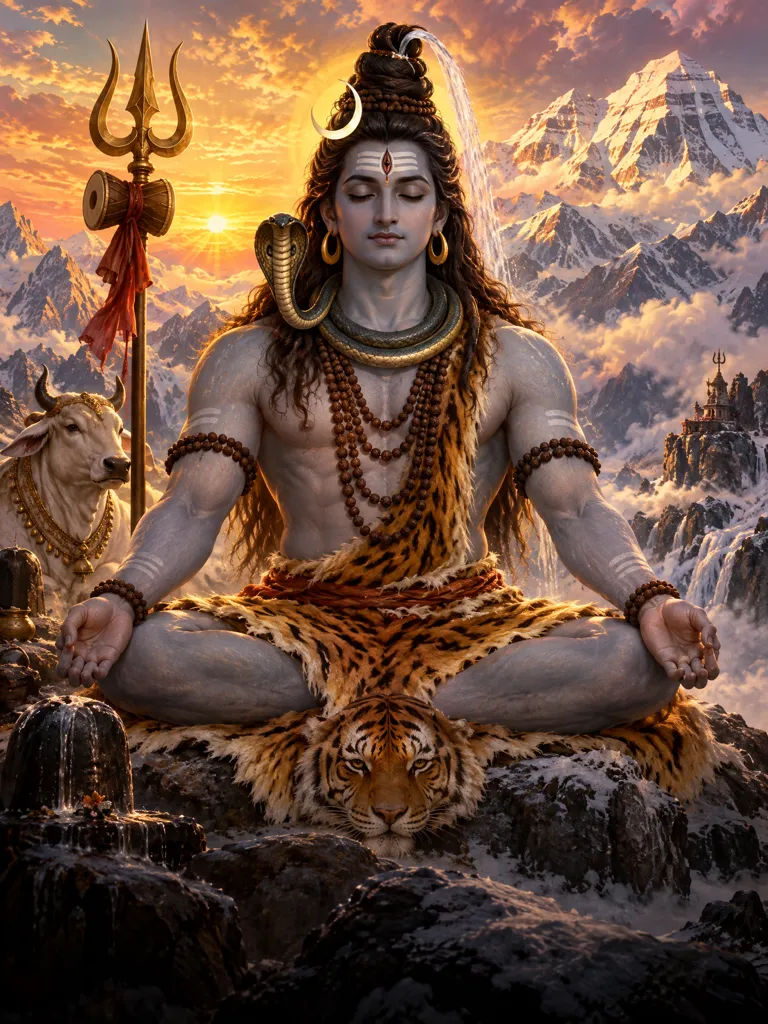
Every 12 years at each site (Maha Kumbh); Ardh Kumbh every 6 years at Prayagraj and Haridwar
Kumbh Mela
Kumbh Mela is the largest peaceful gathering on Earth — a massive Hindu pilgrimage and festival held at four sacred rivers. It is recognized by UNESCO as an Intangible Cultural Heritage of Humanity.
Why it matters
The sacred bathing during Kumbh is believed to wash away sins and break the cycle of rebirth. The specific planetary alignments during Kumbh are considered most auspicious for spiritual advancement.
Katha
The story behind it
During the Samudra Manthan (churning of the cosmic ocean), a kumbh (pot) of amrit (nectar of immortality) emerged. As gods and demons fought over it, drops of amrit fell at four places — Prayagraj, Haridwar, Nashik, and Ujjain — making these sites eternally sacred.
Celebrate
Rituals & traditions
How it's observed
Sacred bathing at the confluence of rivers on auspicious dates. Spiritual discourses, devotional singing, mass feeding of the poor. Akharas (monastic orders) lead processions called Shahi Snan.
Traditional foods
Langar (community meals), prasad
Regional traditions
Prayagraj (Triveni Sangam): most sacred Kumbh. Haridwar (Ganga): Ardh Kumbh and Kumbh. Nashik (Godavari): Simhastha Kumbh. Ujjain (Shipra): Simhastha Kumbh.
Where to experience it
Prayagraj for the Maha Kumbh — tens of millions of pilgrims gather at the confluence of Ganga, Yamuna, and the mythical Saraswati
Associated mantras
Om Namah Shivaya; Om Namo Narayanaya; Gayatri Mantra
Plan your Kumbh Mela with Debi
Puja steps, muhurat questions, stories for children: just ask.
Ask Debi about Kumbh Mela