
Twice monthly (11th day of both Shukla and Krishna Paksha)
Ekadashi
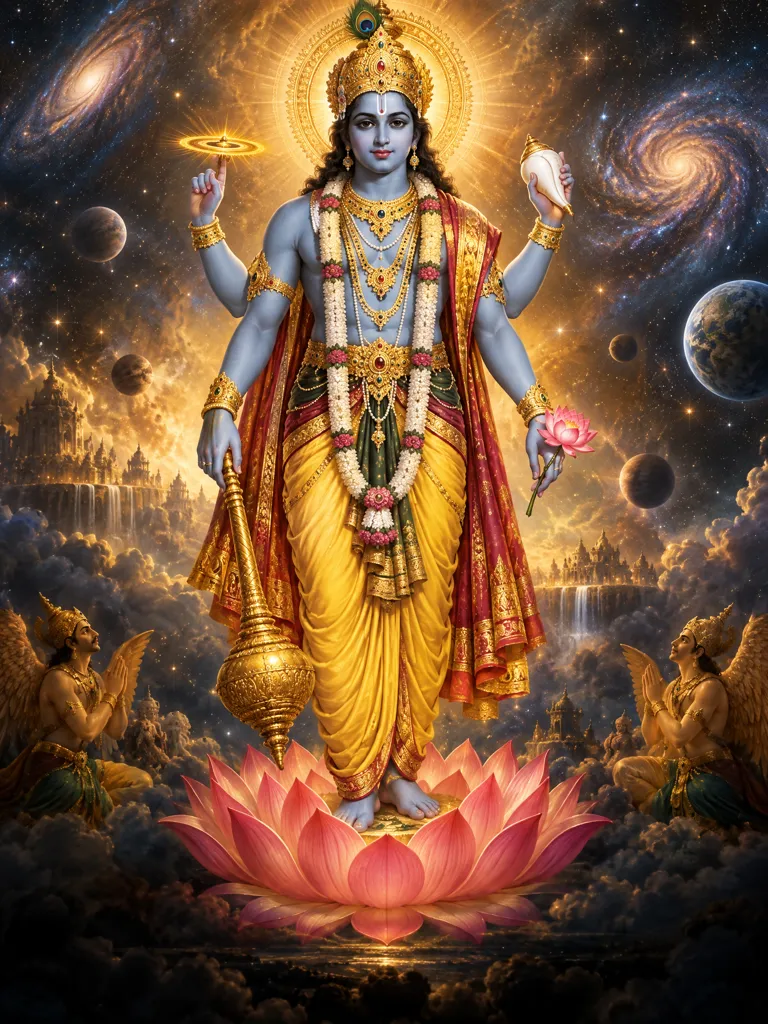
Ekadashi is the eleventh day of each lunar fortnight, considered one of the most important regular observances in Sanatan Dharma, particularly for devotees of Lord Vishnu.
Why it matters
Fasting on Ekadashi is believed to purify the body and mind, and to please Lord Vishnu. The Padma Purana describes 24 Ekadashis in a year, each with its own name and significance.
Katha
The story behind it
According to the Padma Purana, a demon called Mura was terrorizing the gods. Lord Vishnu's yogic energy manifested as a divine maiden named Ekadashi who defeated Mura. Vishnu blessed her that those who fast on this day would receive his protection.
Celebrate
Rituals & traditions
How it's observed
Fasting from grains and beans (some observe nirjala — without water). Chanting Vishnu's names. Reading/hearing Ekadashi Mahatmya. Visiting Vishnu temples. Breaking fast during the prescribed time on Dwadashi (12th day).
Traditional foods
Fruits, nuts, milk, sabudana preparations, potato, buckwheat — no grains or beans
Regional traditions
Particularly observed by Vaishnava communities across India. ISKCON communities observe it strictly worldwide. In Gujarat, Devshayani and Prabodhini Ekadashi have special significance.
Where to experience it
Pandharpur (Maharashtra) for Ashadhi and Kartiki Ekadashi — massive pilgrimages. ISKCON temples worldwide.
Associated mantras
Om Namo Bhagavate Vasudevaya
Plan your Ekadashi with Debi
Puja steps, muhurat questions, stories for children: just ask.
Ask Debi about Ekadashi